


What is child participation?
Child participation means that children are actively involved in decisions that concern them. They are given space to share their ideas and make their own choices; always in a way that suits their age.
Their opinion matters. Not just because we believe it’s important, but because it is also laid down in the Convention on the Rights of the Child. These are the five key principles of child participation:
- Children have sufficient access to information
- They are able to express their views
- Others take children seriously
- They receive feedback on decisions made
- Children can raise concerns if they disagree with a decision
Examples of child participation
There are many ways you, as a parent, can actively involve your child. For example:
- Let your child help think about rules that apply to them.
For instance: “When is it okay to invite someone over to play or stay the night? What do you think is important for us to agree on?” - Talk about what your child enjoys and their ideas.
For example: “What would you like to do more often together as a family?” - Ask about your child’s wishes and preferences.
For example: “What would you like to eat more often, or cook together?” - Observe and listen carefully to what your child needs.
For example: “What can I do to help you feel better when you’re angry or sad?”
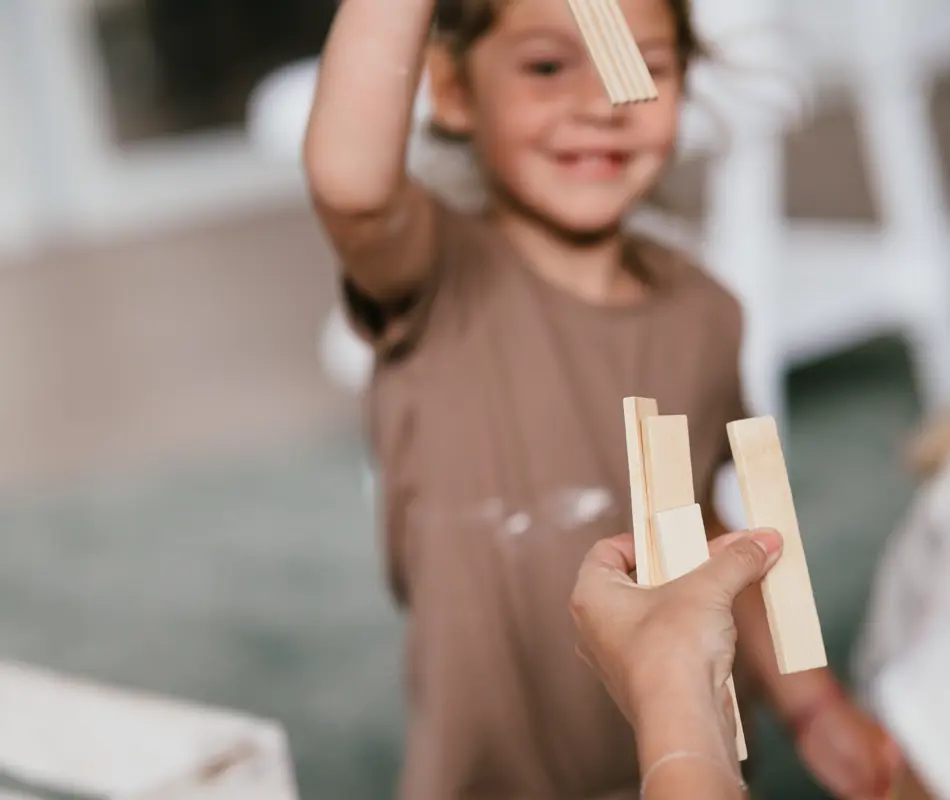
Why is child participation important and what is its goal?
Child participation helps children feel heard and gives them a sense of influence. It shows them that they matter and belong. It also supports their development in several ways:
- More self-confidence
Children notice that their voice counts. This gives them a positive sense of self and boosts their confidence. They become more willing to share their opinions and take part in conversations and decisions. - Greater independence
Children discover that their opinions matter. They are allowed to make choices, learn what that involves, and experience the consequences. Sometimes they regret a decision, other times they feel proud. - Social skills
Children actively participate and think along about what’s happening. They communicate with adults, collaborate, and learn how to make decisions together. This teaches them to consider others. - Language development
Children learn to express their thoughts and feelings. By saying what they want or think, they practice speaking, listening, and responding—important skills for school and everyday life. - Involvement
By participating, children feel engaged. They enjoy activities more, are more motivated, and feel responsible for what happens. - Respect
Children learn to respect not only their own opinions but also those of others. They discover that everyone thinks differently and has their own ideas and wishes. Through discussion, they learn to find solutions together that work for everyone.
How do you encourage child participation?
The way you apply child participation depends on age. A baby cannot talk yet, and young children may not fully understand consequences or risks. It’s important to match participation to your child’s development, pace, and age. Here are some ideas for different stages:
With babies
Your baby can participate by doing small things independently during care routines. For example, during diaper changes or feeding, give them space to respond with sounds or body language. Tell them what you’re about to do, then pause.
Does your baby lift their legs when you say you’re going to change their diaper? That’s their way of agreeing. By respecting their response, care routines often go more smoothly; you’re truly working together.
With toddlers
You can offer your toddler choices. Ask questions about what they want to do or help with. Think of small choices, like what to put on their sandwich or what toy to play with. And bigger ones, like going to the playground or swimming in the afternoon.
As your toddler grows, you can also ask what they like in interactions with others. This helps them stand up for themselves and learn to consider others.
With preschoolers and school-age children
Once your child starts school, you can expand child participation. Let your preschooler help think about everyday matters, like dinner. You can also ask bigger questions, such as what they would like to do during holidays.
It’s also helpful to discuss negative situations, like arguments or bullying. Let children think about solutions themselves; they are often more creative than adults. There’s a good chance your child will come up with a valuable idea.
What if your child doesn’t want to cooperate?
Child participation is wonderful, but sometimes your child simply doesn’t feel like joining in or making decisions. They may not be interested, not ready, or just unwilling at that moment. That’s completely normal and okay. Your child is still a child, and it’s important to respect that. Make sure your child can at least decide what they want to do at that moment.
Sometimes something else is going on, like resistance or misunderstanding. Take this seriously and ask yourself:
- Is the task too difficult?
- Does your child have enough information to participate?
- Is your child able to take part?
- Does your child feel seen and included?
- Do they agree with the decision made?
You can find answers by observing closely. Don’t just listen to what your child says, also pay attention to behavior, body language, and non-verbal communication. Respond by connecting with your child. Sit beside them—literally and figuratively—and try to see things from their perspective. You don’t need to take over control.
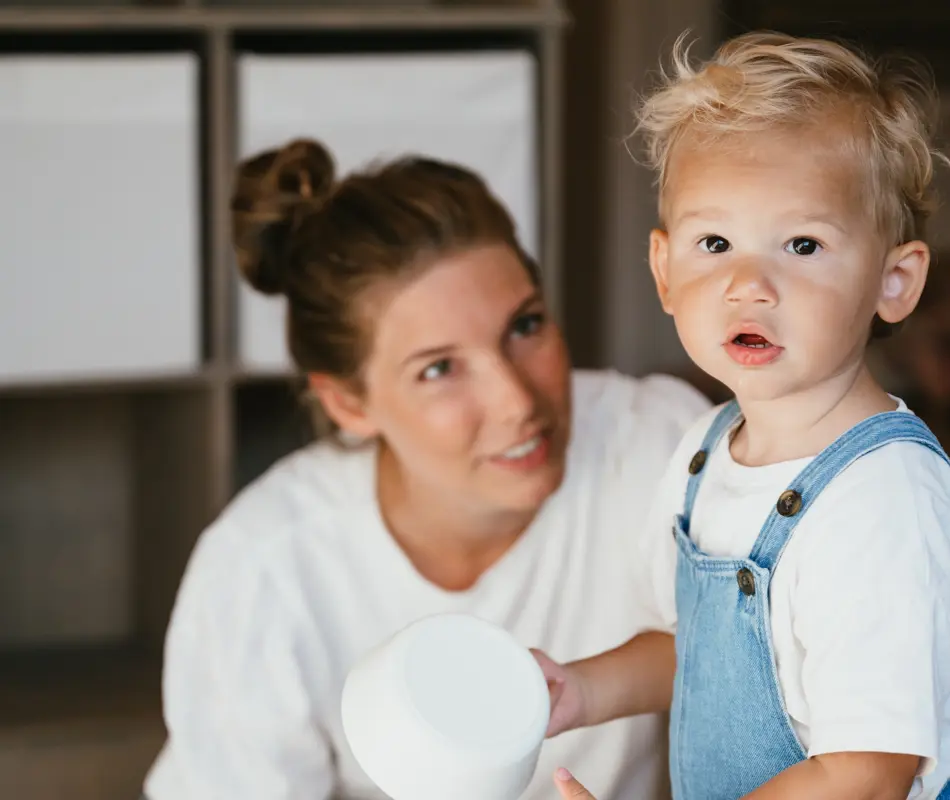
Child participation at CompaNanny
At CompaNanny, we see children as naturally competent. This means children are intrinsically motivated to explore and understand the world. We support this by giving children influence over their own situation and space to make choices in a safe, enriching environment.
We follow the child: they determine the route, and we provide the foundation. This means children actively participate in their own care, the activities we offer, and the rules we follow.
At our after-school care, child participation is even greater. Children can help decide on many things, such as new play materials, activity programs, and rules. This supports their development, allowing them to practice skills in a safe environment that they will need later in society.
Find a location near you!
With more than 50 locations in the Netherlands, there’s always a place where your child will feel at home.


